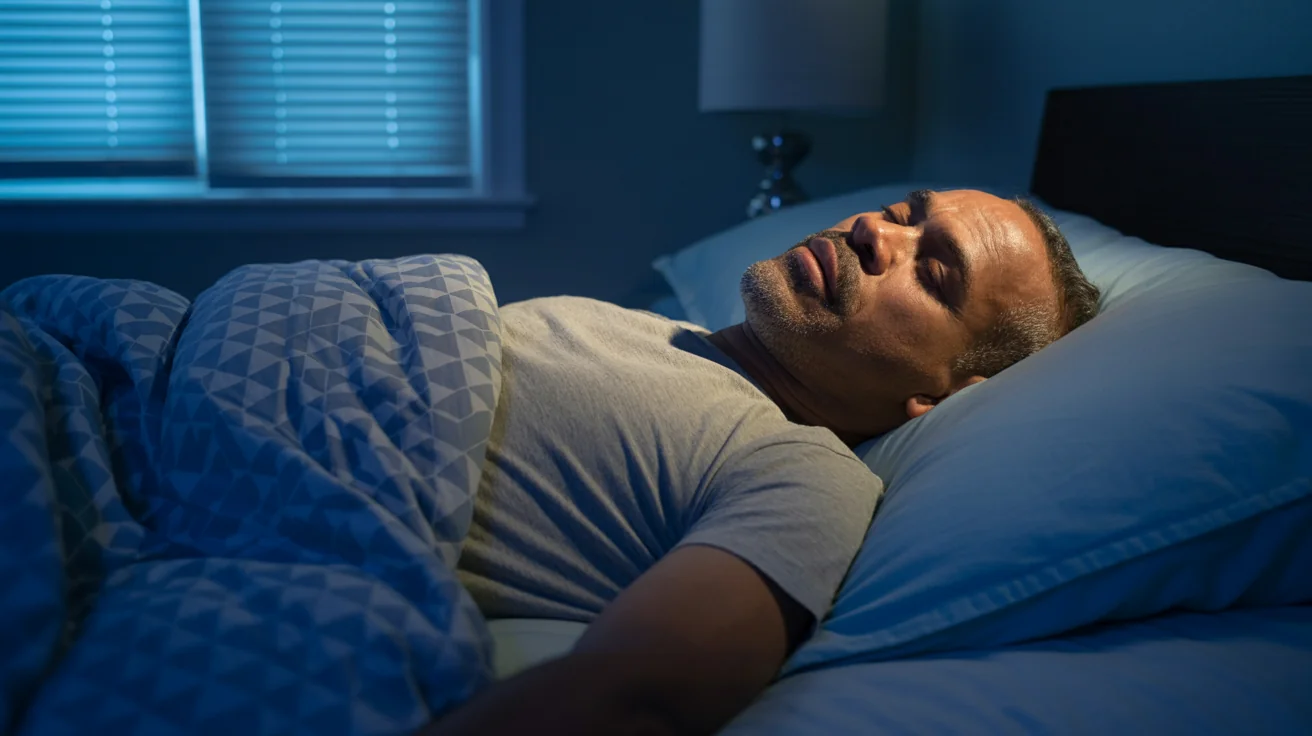
⚠️ Warning Signs You Shouldn’t Ignore
The most common sleep apnea symptoms include: loud chronic snoring, witnessed breathing pauses during sleep, gasping or choking upon waking, excessive daytime sleepiness despite adequate sleep time, morning headaches, and difficulty concentrating. If you experience multiple symptoms, see a doctor – untreated sleep apnea increases risk of heart disease, stroke, and diabetes.
Sleep apnea affects an estimated 22 million Americans, yet up to 80% of cases go undiagnosed. I’ve worked with countless patients who suffered for years before realizing their chronic fatigue, headaches, and snoring were all connected to a treatable condition.
The challenge? Most sleep apnea symptoms occur while you’re asleep, making them difficult to recognize without a partner or family member’s observations. In this comprehensive guide, I’ll walk you through every symptom to watch for, help you assess your risk, and explain what to do next.
Disclosure: This article contains affiliate links. If you purchase through my links, I earn a commission at no extra cost to you. I only recommend products I’ve personally tested or thoroughly researched.
What Is Sleep Apnea?
Sleep apnea is a sleep disorder characterized by repeated interruptions in breathing during sleep. These pauses (called apneas) can last from 10 seconds to over a minute and may occur hundreds of times per night.

There are three types:
- Obstructive Sleep Apnea (OSA): The most common type (84% of cases). The airway becomes blocked, usually when soft tissue in the throat collapses during sleep.
- Central Sleep Apnea: The brain fails to signal the muscles to breathe. Less common, often associated with heart failure or stroke.
- Complex Sleep Apnea: A combination of both obstructive and central sleep apnea.
Primary Sleep Apnea Symptoms
These are the hallmark symptoms that most strongly indicate sleep apnea:
1. Loud, Chronic Snoring
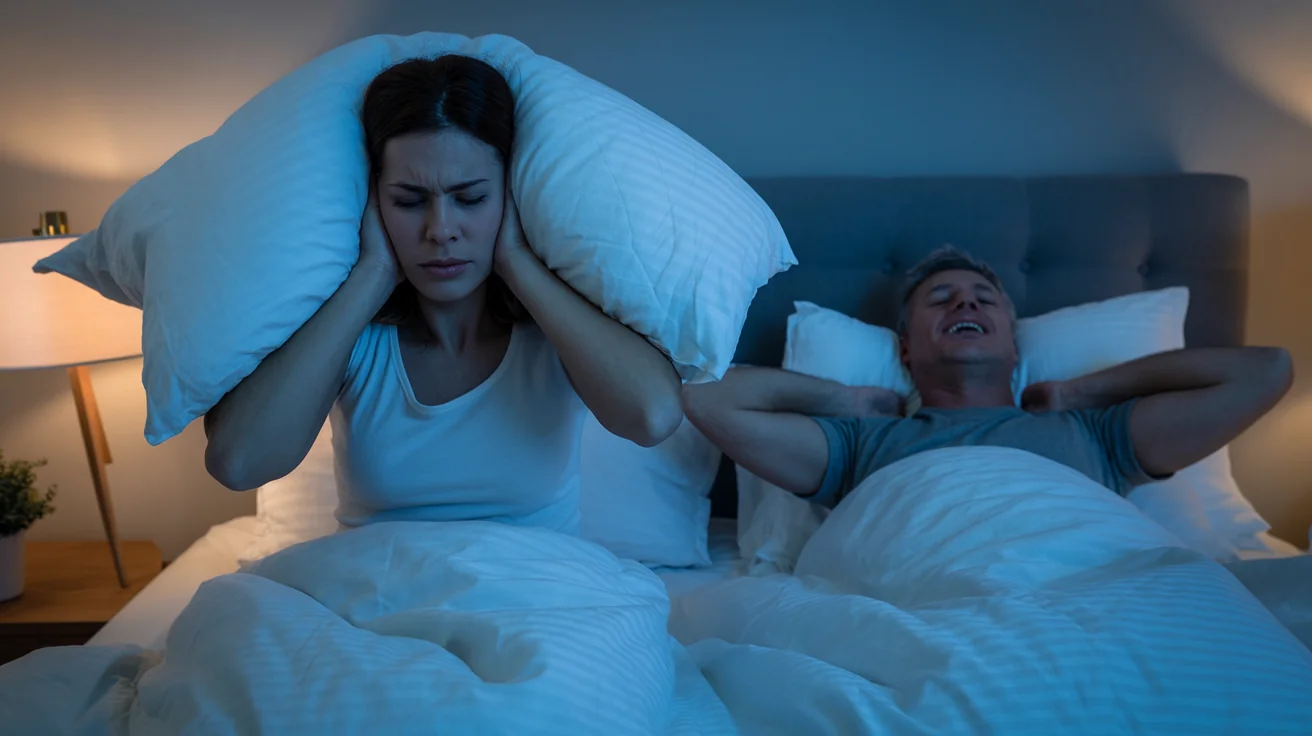
Not all snorers have sleep apnea, but almost everyone with obstructive sleep apnea snores. Sleep apnea snoring tends to be:
- Extremely loud (often heard through walls or closed doors)
- Present most nights, not just occasionally
- Worse when sleeping on your back
- Interrupted by silent pauses followed by gasping or choking sounds
2. Witnessed Breathing Pauses
Often the first clue comes from a bed partner who notices you stop breathing during sleep. These pauses may last 10 seconds or longer and typically end with a loud snort, gasp, or body movement.
3. Gasping or Choking During Sleep
Waking suddenly with a sensation of choking, gasping for air, or feeling like you can’t breathe is a serious red flag. This happens when your brain rouses you just enough to restart breathing.
4. Excessive Daytime Sleepiness
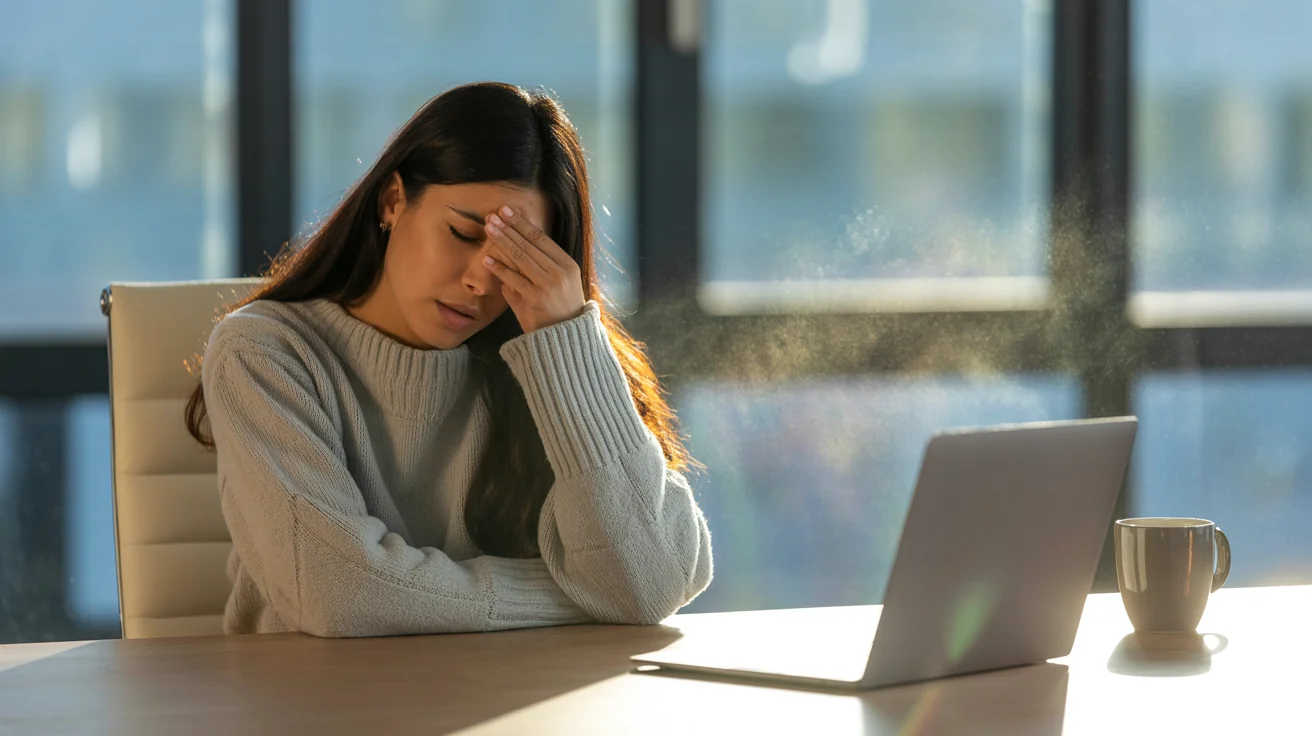
Despite spending 7-8 hours in bed, you feel exhausted during the day. This isn’t ordinary tiredness – it’s a profound sleepiness that may cause you to:
- Fall asleep during quiet activities (reading, watching TV)
- Struggle to stay awake while driving
- Need multiple cups of coffee to function
- Feel the need to nap daily
5. Morning Headaches
Waking with a headache that fades within a few hours is characteristic of sleep apnea. It’s caused by oxygen deprivation and carbon dioxide buildup during the night.
Secondary Sleep Apnea Symptoms
These symptoms are common in sleep apnea but can also indicate other conditions:
6. Difficulty Concentrating
Sleep fragmentation prevents you from getting restorative deep sleep, impairing cognitive function. You may notice:
- Memory problems
- Difficulty making decisions
- “Brain fog” that persists throughout the day
- Decreased productivity at work
7. Mood Changes
Chronic sleep deprivation affects emotional regulation. Sleep apnea is associated with:
- Irritability and mood swings
- Depression
- Anxiety
- Decreased interest in activities you usually enjoy
8. Frequent Nighttime Urination
Waking 2+ times per night to urinate (nocturia) can be caused by sleep apnea. The breathing disruptions affect hormone production, leading to increased urine production.
9. Dry Mouth or Sore Throat Upon Waking
Breathing through your mouth during apnea episodes leads to dry mouth, sore throat, or both when you wake up.
10. Night Sweats
Your body works hard to restart breathing during apnea episodes, which can trigger sweating even in a cool room.
11. Decreased Libido
Sleep apnea can lower testosterone levels and cause fatigue-related decreases in sexual desire for both men and women.
Sleep Apnea Symptoms in Women
Women often present with different or less obvious symptoms, contributing to underdiagnosis. Women with sleep apnea may experience:
- Insomnia rather than obvious sleepiness
- Subtle snoring or no snoring at all
- Depression and anxiety as primary complaints
- Morning headaches
- Restless legs
- Fatigue described as exhaustion rather than sleepiness
Women are also more likely to have their symptoms attributed to other conditions like depression, menopause, or anemia rather than sleep apnea.
Risk Factors for Sleep Apnea
Certain factors increase your likelihood of having sleep apnea:
Physical Factors:
- Excess weight: Fat deposits around the upper airway can obstruct breathing
- Neck circumference: Greater than 17 inches in men or 16 inches in women
- Narrow airway: Enlarged tonsils, adenoids, or a naturally narrow throat
- Age: Risk increases significantly after 40
- Male sex: Men are 2-3 times more likely to have sleep apnea
- Family history: Genetics play a role in airway structure
Lifestyle Factors:
- Alcohol use: Relaxes throat muscles, worsening obstruction
- Smoking: Increases inflammation and fluid retention in the airway
- Sedative use: Sleeping pills and anti-anxiety medications can worsen apnea
Medical Conditions:
- Heart disease
- High blood pressure
- Type 2 diabetes
- Hormonal disorders
- Prior stroke
🌙 Improve Your Sleep Quality Naturally
While treating sleep apnea requires medical care, optimizing your overall sleep health can help reduce symptoms. The YU SLEEP program supports natural, restorative sleep with science-backed ingredients.
Self-Assessment: Do You Have Sleep Apnea?
While only a sleep study can diagnose sleep apnea, this questionnaire can help you assess your risk:
STOP-BANG Questionnaire
Answer yes or no to each question:
- Snoring: Do you snore loudly (loud enough to be heard through closed doors)?
- Tired: Do you often feel tired, fatigued, or sleepy during the day?
- Observed: Has anyone observed you stop breathing during sleep?
- Pressure: Do you have or are you being treated for high blood pressure?
- BMI: Is your BMI greater than 35?
- Age: Are you older than 50?
- Neck: Is your neck circumference greater than 16 inches (women) or 17 inches (men)?
- Gender: Are you male?
Scoring:
- 0-2 “Yes” answers: Low risk
- 3-4 “Yes” answers: Intermediate risk
- 5-8 “Yes” answers: High risk
If you answered “Yes” to 3 or more questions, or if you answered “Yes” to questions 1-3 plus any of 4-8, talk to your doctor about a sleep study.
Why Untreated Sleep Apnea Is Dangerous
Sleep apnea isn’t just about poor sleep – it has serious health consequences:
Cardiovascular Effects:
- High blood pressure: 30-50% of people with hypertension have sleep apnea
- Heart disease: 2-3x increased risk of heart attack
- Stroke: 3-4x increased risk
- Atrial fibrillation: 4x increased risk of this dangerous heart rhythm
Metabolic Effects:
- Type 2 diabetes: Sleep apnea affects insulin sensitivity
- Weight gain: Hormonal changes increase appetite and fat storage
Safety Risks:
- Drowsy driving: People with untreated sleep apnea are 2-3x more likely to have car accidents
- Workplace accidents: Impaired concentration increases injury risk
How Sleep Apnea Is Diagnosed
If you suspect sleep apnea, here’s what to expect:
1. Doctor Consultation
Your doctor will review your symptoms, medical history, and perform a physical examination of your throat, nose, and mouth.
2. Sleep Study (Polysomnography)
The gold standard for diagnosis. You’ll spend a night at a sleep center where sensors monitor:
- Brain waves (sleep stages)
- Eye movements
- Heart rate and rhythm
- Breathing patterns
- Blood oxygen levels
- Body movements
3. Home Sleep Test
For suspected obstructive sleep apnea, a simplified home test may be offered. It measures:
- Airflow
- Breathing effort
- Blood oxygen levels
Home tests are convenient but may miss milder cases or central sleep apnea.
Treatment Options
Sleep apnea treatment depends on severity and type:
Lifestyle Changes (Mild Cases):
- Weight loss (even 10% can significantly improve symptoms)
- Sleeping on your side instead of your back
- Avoiding alcohol and sedatives
- Quitting smoking
CPAP Therapy:
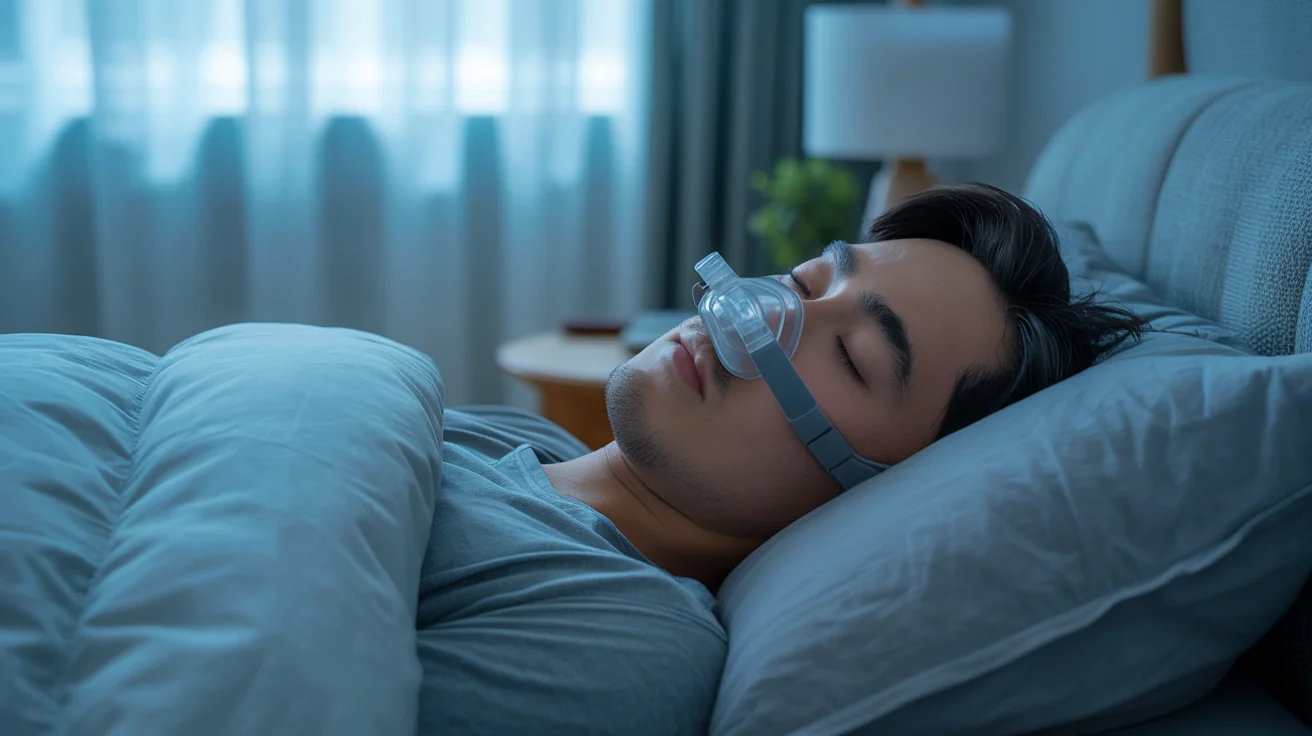
Continuous Positive Airway Pressure (CPAP) is the most effective treatment for moderate to severe sleep apnea. A mask delivers pressurized air to keep your airway open during sleep.
Oral Appliances:
Custom-fitted dental devices that reposition your jaw to keep the airway open. Best for mild to moderate cases or CPAP intolerance.
Surgery:
Options include tissue removal (UPPP), jaw repositioning, implants, or creating a new airway (tracheostomy) for severe cases.
Products That May Help
While not treatments for sleep apnea itself, these products can help optimize sleep quality:
Best Pillow for Side Sleeping
Side sleeping reduces airway collapse. The Coop Home Goods Adjustable Pillow supports proper neck alignment for comfortable side sleeping.
White Noise for Better Sleep
CPAP machines can be noisy. A white noise machine like the LectroFan helps mask sounds and promote deeper sleep.
Frequently Asked Questions
Can sleep apnea go away on its own?
In some cases, yes. If sleep apnea is caused by excess weight, losing weight can resolve it. However, structural causes typically require ongoing treatment.
Can you have sleep apnea without snoring?
Yes. While snoring is common, it’s not universal – especially in central sleep apnea or in women with obstructive sleep apnea.
Is sleep apnea hereditary?
There’s a genetic component. If a first-degree relative has sleep apnea, you have a 50% higher risk of developing it.
Can children have sleep apnea?
Yes. Pediatric sleep apnea often results from enlarged tonsils or adenoids. Symptoms include snoring, mouth breathing, bed-wetting, and behavioral problems.
What’s the difference between snoring and sleep apnea?
Snoring is simply noise from airway vibration. Sleep apnea involves actual breathing pauses (10+ seconds) that lower blood oxygen. Many snorers don’t have sleep apnea, but sleep apnea almost always causes snoring.
How many apneas per hour is considered severe?
Sleep apnea is measured by the Apnea-Hypopnea Index (AHI):
- Normal: Less than 5 events per hour
- Mild: 5-15 events per hour
- Moderate: 15-30 events per hour
- Severe: More than 30 events per hour
Can sleep apnea cause weight gain?
Yes. Sleep apnea disrupts hormones that regulate appetite (leptin and ghrelin), increasing hunger and cravings for high-calorie foods. The fatigue also makes exercise difficult, creating a cycle of weight gain.
Do sleep apnea symptoms get worse with age?
Often, yes. As we age, throat muscles naturally lose tone and fat distribution changes, worsening airway obstruction. Weight gain with age also contributes.
When to See a Doctor
Consult a healthcare provider if you experience:
- Loud snoring that disturbs others
- Witnessed breathing pauses during sleep
- Waking with gasping or choking
- Excessive daytime sleepiness affecting work or driving
- Morning headaches most days
- Multiple risk factors from the list above
Don’t wait. Untreated sleep apnea significantly increases your risk of serious health problems. The sooner you’re diagnosed, the sooner you can start treatment and feel better.
Related Resources
For more information on improving your sleep:
- How to Sleep Better: 15 Science-Backed Tips
- Insomnia Treatment: Complete Guide
- How to Fall Asleep Fast
🌟 Support Your Sleep Health Naturally
Whether you’re working on sleep apnea treatment or optimizing general sleep quality, the YU SLEEP program helps support deep, restorative sleep with all-natural ingredients.
Have questions about sleep apnea symptoms? Leave a comment below – I read and respond to every question.