⚡ Quick Answer: How to Fall Asleep in Under 2 Minutes
The Military Sleep Method can help you fall asleep in 2 minutes or less: relax your face completely, drop your shoulders and arms, exhale and relax your chest, relax your legs from thighs to feet, then clear your mind for 10 seconds by imagining a peaceful scene. This technique was developed by the U.S. Navy to help pilots fall asleep in 120 seconds.
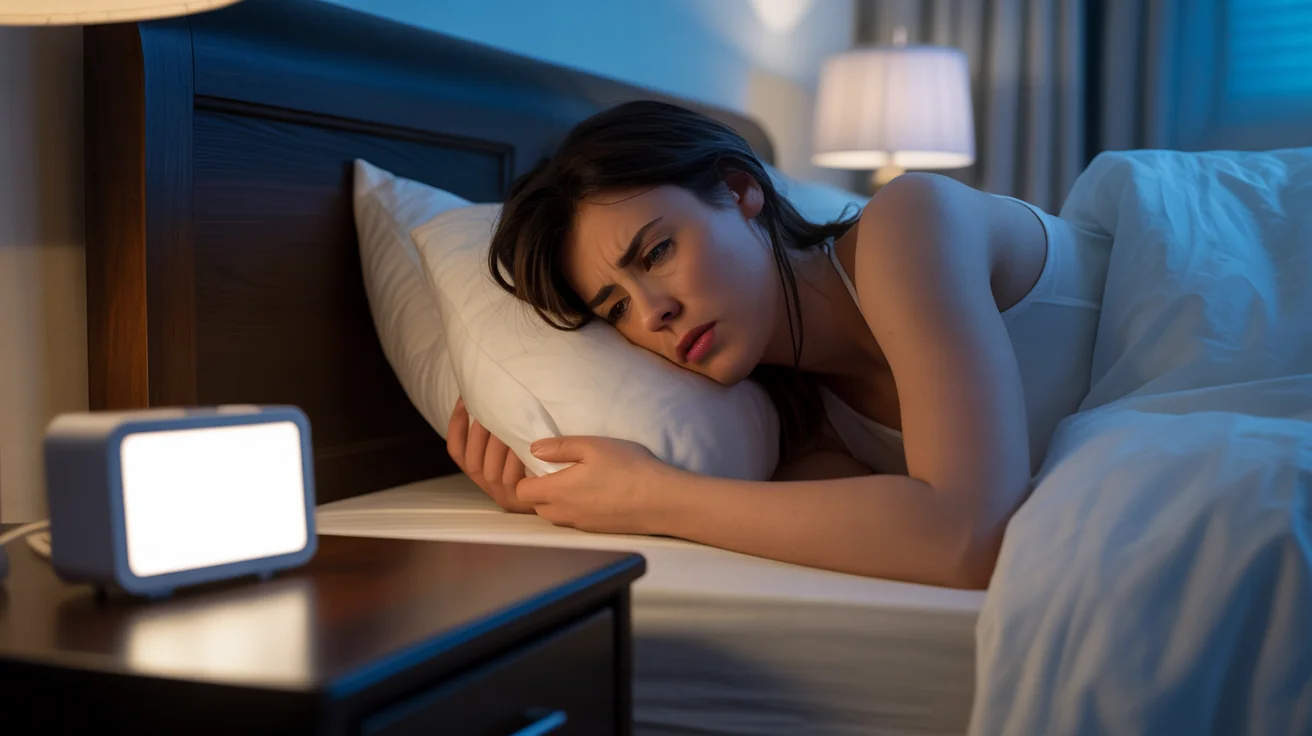
Lying awake staring at the ceiling is one of the most frustrating experiences. You’re exhausted, you know you need sleep, but your mind just won’t shut off. I’ve been there – and as a sleep specialist, I’ve helped thousands of people overcome this exact problem.
The good news? Falling asleep fast is a skill you can learn. With the right techniques, most people can cut their time-to-sleep from 30+ minutes to under 10 minutes – and some can achieve the coveted 2-minute mark used by military pilots.
In this comprehensive guide, I’ll share the most effective methods for falling asleep quickly, backed by science and real-world testing.
Disclosure: This article contains affiliate links. If you purchase through my links, I earn a commission at no extra cost to you. I only recommend products I’ve personally tested or thoroughly researched.
Why Can’t You Fall Asleep Fast?
Before diving into solutions, let’s understand why falling asleep can be so difficult. The most common culprits include:
- Racing thoughts: Your brain processes the day’s events and tomorrow’s worries
- Physical tension: Stress creates muscle tightness that keeps you alert
- Poor sleep hygiene: Screen time, caffeine, and irregular schedules disrupt your natural rhythms
- Anxiety about sleep: Worrying about not sleeping makes it harder to sleep
- Environmental factors: Light, noise, temperature, or uncomfortable bedding
The techniques below address each of these issues directly.
The Military Sleep Method (Fall Asleep in 2 Minutes)
This technique was developed by the U.S. Navy Pre-Flight School to help pilots fall asleep in 2 minutes or less, even in uncomfortable conditions like sitting in a chair or during combat situations. After 6 weeks of practice, it reportedly works for 96% of people.

Step-by-Step Instructions:
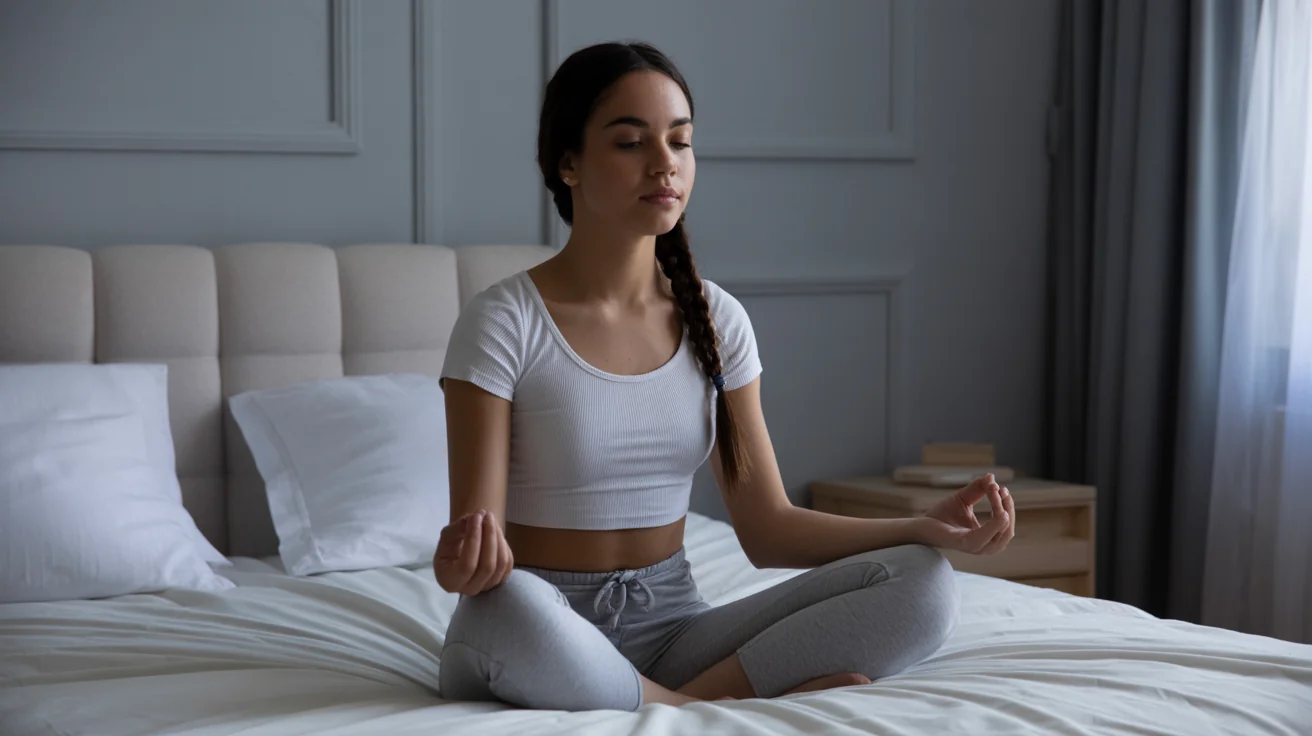
- Relax your entire face – including the muscles inside your mouth, jaw, and around your eyes
- Drop your shoulders as low as they’ll go, then relax your upper and lower arms one side at a time
- Exhale and relax your chest – let your breathing become slow and natural
- Relax your legs – start with thighs, then calves, then feet
- Clear your mind for 10 seconds – imagine lying in a canoe on a calm lake with blue sky above, or lying in a black velvet hammock in a dark room
- If thoughts intrude, repeat “don’t think, don’t think” for 10 seconds
Pro tip: This method requires practice. Don’t give up if it doesn’t work immediately – most people need 2-4 weeks of consistent practice before mastering it.
The 4-7-8 Breathing Technique
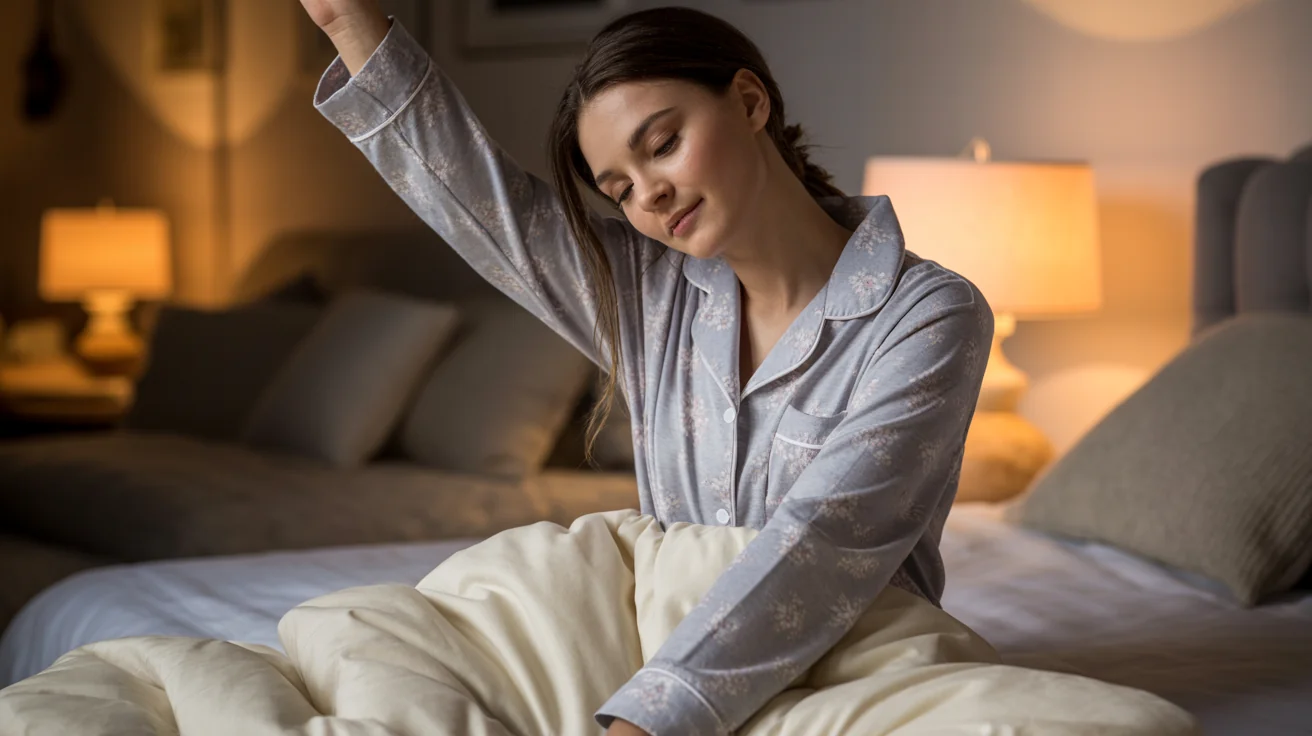
Developed by Dr. Andrew Weil, the 4-7-8 breathing technique acts as a “natural tranquilizer for the nervous system.” It works by activating your parasympathetic nervous system and reducing anxiety.
How to Do 4-7-8 Breathing:
- Place the tip of your tongue against the ridge behind your upper front teeth
- Exhale completely through your mouth, making a whoosh sound
- Inhale through your nose for 4 seconds
- Hold your breath for 7 seconds
- Exhale through your mouth for 8 seconds, making a whoosh sound
- Repeat for 4 breath cycles
The specific timing matters less than the ratio. If you can’t hold for 7 seconds, try 2-3.5-4 instead and work up from there.
Progressive Muscle Relaxation (PMR)
PMR is particularly effective if you carry physical tension in your body. It involves systematically tensing and releasing muscle groups to achieve deep relaxation.
Quick PMR Sequence:
- Feet: Curl your toes tightly for 5 seconds, then release
- Calves: Point your toes toward your head, hold, release
- Thighs: Squeeze your thigh muscles, hold, release
- Glutes: Clench, hold, release
- Stomach: Tighten abdominal muscles, hold, release
- Hands: Make tight fists, hold, release
- Arms: Tense biceps, hold, release
- Shoulders: Shrug up toward ears, hold, release
- Face: Scrunch all facial muscles, hold, release
By the end of this sequence, your entire body should feel heavy and relaxed.

Optimize Your Sleep Environment
Your bedroom environment plays a crucial role in how quickly you fall asleep. Here’s how to optimize it:
Temperature
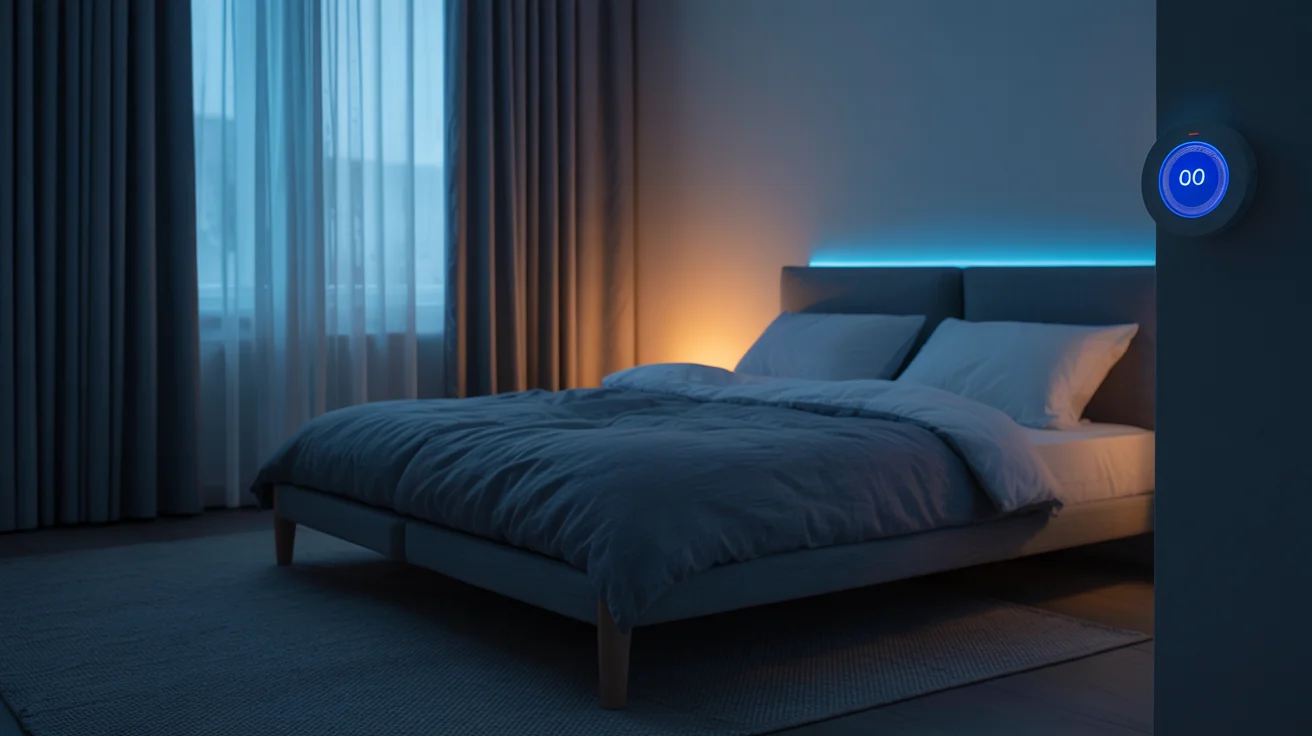
The ideal bedroom temperature for sleep is 65-68°F (18-20°C). Your body temperature naturally drops during sleep, and a cool room helps facilitate this process.
Darkness
Even small amounts of light can suppress melatonin production. Use blackout curtains or a sleep mask to create complete darkness.
Sound
Some people need complete silence, while others benefit from white noise to mask disruptive sounds. The LectroFan White Noise Machine is my top recommendation for consistent, soothing sound.
Bedding
An uncomfortable pillow or mattress makes fast sleep nearly impossible. If you frequently adjust your pillow or wake with neck pain, consider the Coop Home Goods Adjustable Pillow – its customizable fill works for any sleep position.
The Cognitive Shuffle Technique
Racing thoughts are the #1 enemy of fast sleep. The Cognitive Shuffle, developed by cognitive scientist Luc Beaudoin, scrambles your thoughts to prevent the linear thinking that keeps you awake.
How It Works:
- Think of a random word (like “SLEEP” or “BEDTIME”)
- For each letter, visualize random objects that start with that letter
- Example for “SLEEP”: S – sandwich, sunset, submarine, snake… L – lamp, ladder, lemon, lizard…
- The random, non-threatening images occupy your mind without triggering anxiety
Most people fall asleep before finishing the word.
Pre-Sleep Routine (The 90-Minute Wind-Down)
What you do in the 90 minutes before bed dramatically affects how quickly you fall asleep:
90 Minutes Before Bed:
- Stop all work and stimulating activities
- Dim the lights throughout your home
- Put away all screens or use blue light blocking glasses
60 Minutes Before Bed:
- Take a warm bath or shower (the subsequent cooling helps trigger sleepiness)
- Do light stretching or yoga
- Practice relaxation techniques
30 Minutes Before Bed:
- Read a physical book (nothing too exciting)
- Listen to calming music or a sleep meditation
- Journal any remaining thoughts to “download” them from your mind
🌙 Want to Fall Asleep Even Faster?
Beyond techniques, the YU SLEEP program combines science-backed natural ingredients to help your body relax and fall asleep faster. It’s what I personally recommend to patients who need extra support.
Foods and Supplements That Help You Sleep Faster
Sleep-Promoting Foods:
- Tart cherry juice: Natural source of melatonin
- Kiwi: Studies show eating 2 kiwis an hour before bed improves sleep onset
- Almonds and walnuts: Contain melatonin and magnesium
- Chamomile tea: Contains apigenin, which promotes relaxation
- Turkey: Contains tryptophan (though any protein source works)
Effective Supplements:
If you need additional help, these supplements have scientific backing:
- Melatonin (0.5-3mg): Most effective for sleep timing issues
- Magnesium (200-400mg): Helps relax muscles and calm the nervous system
- L-theanine (100-200mg): Promotes relaxation without drowsiness
- Glycine (3g): Lowers core body temperature to induce sleep
The Nature Made Melatonin 3mg is a USP-verified option that I recommend to patients.
What to Avoid Before Bed
Equally important as what you do is what you don’t do:
- Caffeine after 2 PM: Caffeine has a half-life of 5-6 hours, meaning half is still in your system 6 hours later
- Alcohol within 3 hours of bed: While it may help you fall asleep initially, it disrupts sleep quality later in the night
- Heavy meals within 3 hours: Digestion can interfere with sleep
- Intense exercise within 2 hours: Raises body temperature and adrenaline
- Screens within 1 hour: Blue light suppresses melatonin by up to 50%
- Stressful conversations or work: Activates your fight-or-flight response
When to See a Doctor
While these techniques help most people, some sleep difficulties require professional help. See a doctor if:
- It consistently takes more than 30 minutes to fall asleep despite trying these techniques for 2+ weeks
- You wake frequently during the night
- You feel exhausted despite adequate time in bed
- You snore loudly or have been told you stop breathing during sleep
- Sleep problems interfere with daily functioning
These could indicate underlying conditions like insomnia, sleep apnea, or other sleep disorders that benefit from professional treatment.
Frequently Asked Questions
How long should it take to fall asleep?
Healthy sleep onset typically takes 10-20 minutes. Falling asleep instantly (under 5 minutes) often indicates sleep deprivation, while taking more than 30 minutes may suggest insomnia or poor sleep habits.
Does the military sleep method really work?
Yes, but it requires practice. The original research showed 96% success after 6 weeks of practice. Most people see improvement within 2-4 weeks of consistent use.
Why do I fall asleep on the couch but not in bed?
This often indicates conditioned arousal – your brain associates your bed with wakefulness from time spent lying awake. Use your bed only for sleep and intimacy to rebuild the sleep association.
Is it better to stay in bed or get up if you can’t sleep?
If you haven’t fallen asleep within 20 minutes, get up and do something relaxing in dim light until you feel sleepy. This prevents your brain from associating bed with wakefulness.
Can I train myself to fall asleep faster?
Absolutely. Sleep onset is a skill that improves with practice. Consistent use of relaxation techniques, good sleep hygiene, and a regular sleep schedule can significantly reduce the time it takes to fall asleep.
Does counting sheep actually work?
Research suggests counting sheep is actually less effective than visualization techniques. Imagining peaceful scenes (like a beach or forest) works better because it engages your mind without being boring enough to generate frustration.
What’s the best position to fall asleep fast?
The best position is whatever feels most comfortable for you. However, lying on your back with a pillow under your knees can help maintain spinal alignment and promote relaxation.
How does anxiety affect falling asleep?
Anxiety activates your sympathetic nervous system, keeping you in a state of alertness. Breathing techniques and cognitive methods like the shuffle technique directly counter this by activating the parasympathetic (rest) response.
My Recommended Sleep Products
Based on my experience helping patients fall asleep faster, here are the products I most frequently recommend:
Best White Noise Machine
LectroFan High Fidelity White Noise Machine
- Price: ~$50
- Rating: 4.6 stars (25,000+ reviews)
- Why I Recommend It: 20 unique sound options, non-looping, compact design
Best Adjustable Pillow
Coop Home Goods Original Adjustable Pillow
- Price: ~$72
- Rating: 4.4 stars (70,000+ reviews)
- Why I Recommend It: Customizable fill for perfect comfort, 100-night trial
Best Sleep Supplement
- Price: ~$10 for 120 tablets
- Rating: 4.7 stars (45,000+ reviews)
- Why I Recommend It: USP verified, appropriate dosage, trusted brand
Final Thoughts
Falling asleep fast isn’t about finding a magic trick – it’s about creating the right conditions and training your body to relax on command. Start with one technique (I recommend the Military Method or 4-7-8 breathing) and practice it consistently for two weeks before adding more.
Remember: the more you stress about falling asleep, the harder it becomes. Trust the process, be patient with yourself, and your sleep onset time will improve.
For more sleep optimization strategies, check out my complete guide on how to sleep better or learn about treating chronic insomnia.
🌟 Ready to Transform Your Sleep?
If you’ve tried everything and still struggle to fall asleep, the YU SLEEP program might be your answer. It’s helped thousands finally get the fast, deep sleep they deserve.
Have questions about falling asleep faster? Leave a comment below – I personally respond to every question!