
Quick Answer: To sleep better, maintain a consistent sleep schedule (same wake time daily), create a cool dark bedroom (65-68°F), avoid screens 1-2 hours before bed, limit caffeine after 2pm, and develop a relaxing bedtime routine. These evidence-based changes can improve sleep quality within 1-2 weeks.
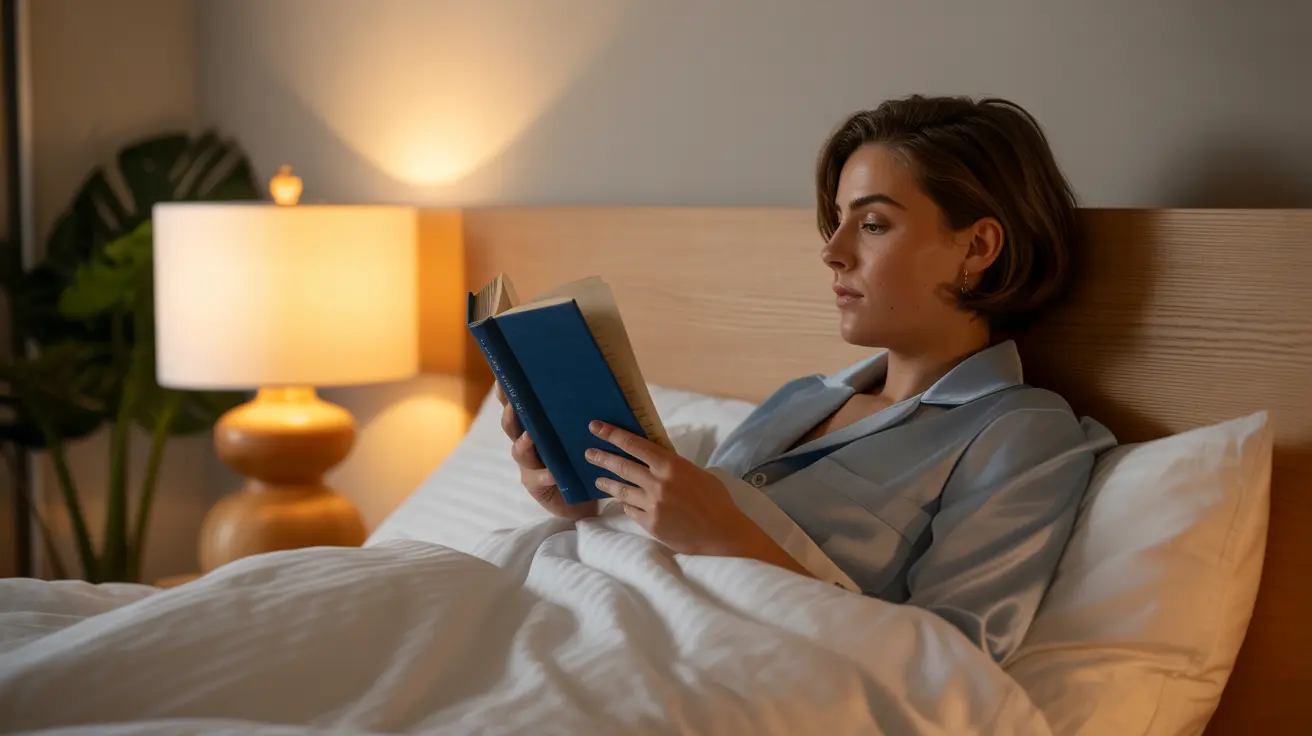
Why Can’t You Sleep Well? Understanding the Real Problem
Here’s the thing nobody tells you about sleep: it’s not just about lying in bed for 8 hours. I’ve worked with thousands of patients who thought they were doing everything right, yet still woke up exhausted every morning.
After 15 years as a sleep specialist, I’ve discovered that most sleep problems come from a few fixable habits – stress, poor sleep hygiene, and inconsistent schedules top the list. The good news? You don’t need expensive medications or complicated treatments. You need evidence-based strategies and consistency.
In this comprehensive guide, I’ll share the 15 most effective, science-backed methods to sleep better starting tonight. These aren’t generic tips you’ve read a hundred times – they’re the exact protocols I use with my patients at the sleep clinic.
15 Science-Backed Tips to Sleep Better Tonight
Let me walk you through what actually works. I’ve organized these by impact – starting with the changes that typically show results fastest.
1. Fix Your Sleep Schedule (This One’s Non-Negotiable)
Your body runs on a circadian rhythm – an internal 24-hour clock that regulates when you feel sleepy and alert. When you go to bed and wake up at different times, you’re essentially giving yourself jet lag every single day.

What to do:
- Pick a wake time and stick to it – even on weekends
- Allow a maximum 1-hour variation on days off
- Set a “wind-down” alarm 1 hour before bedtime
I know what you’re thinking: “But I love sleeping in on Saturday!” Trust me, I get it. But that Sunday night insomnia you experience? It’s called “social jet lag,” and it’s directly caused by weekend sleep schedule shifts.
2. Optimize Your Bedroom Temperature
Your core body temperature needs to drop about 2-3°F to initiate sleep. This is why a room that’s too warm makes it nearly impossible to fall asleep – and why you keep kicking the covers off.
The sweet spot: 65-68°F (18-20°C)
If you share a bed with someone who prefers different temperatures, consider using separate blankets or investing in a temperature-regulating mattress pad. Some of my patients with hot sleeping issues have found cooling pillows like the Purple Harmony Pillow helpful for managing nighttime temperature.
3. Create a Pitch-Black Sleep Environment
Even tiny amounts of light can suppress melatonin production. I’m talking about the LED on your TV, the glow from your phone charger, even moonlight through thin curtains.

Solutions that actually work:
- Blackout curtains (non-negotiable if streetlights are near your window)
- Cover or remove all LED lights in your bedroom
- Use a comfortable sleep mask if complete darkness isn’t possible
4. Establish a Pre-Sleep Wind-Down Routine
Your brain needs transition time. You cannot go from responding to work emails to deep sleep in 5 minutes – despite what you might believe about yourself.
A sample 60-minute wind-down routine:
- 60 minutes before bed: Dim lights, stop work and all screens
- 45 minutes before bed: Light stretching or reading a physical book
- 30 minutes before bed: Warm shower or bath
- 15 minutes before bed: Deep breathing exercises or journaling
The warm shower trick works because as your body cools down afterward, it mimics the natural temperature drop that signals sleep time to your brain.
5. Cut the Caffeine (Earlier Than You Think)
Caffeine has a half-life of about 5-6 hours. That means if you have a cup of coffee at 4pm, half of that caffeine is still circulating in your system at 10pm.
The rule: No caffeine after 2pm. For sensitive individuals, noon might be better.
And yes, this includes:
- Coffee and espresso drinks
- Black and green tea
- Energy drinks
- Dark chocolate (sorry)
- Some pain medications and supplements
6. Rethink Your Relationship with Alcohol
Alcohol is deceptive. It makes you drowsy and might help you fall asleep faster, but it actually fragments your sleep cycles and suppresses REM sleep. You might get 8 hours, but you’ll wake up feeling like you barely slept.
If you drink:
- Stop at least 3-4 hours before bed
- Limit to 1-2 drinks maximum
- Drink water between alcoholic beverages
7. Exercise – But Time It Right
Regular exercise is one of the most effective natural sleep aids available. Research consistently shows that people who exercise regularly fall asleep faster and enjoy deeper sleep. But timing matters enormously.

Best timing for sleep:
- Morning exercise: Great for overall sleep quality and establishing circadian rhythm
- Afternoon exercise: Ideal for most people, helps with natural temperature drop later
- Evening exercise: Finish at least 3 hours before bed to allow body temperature to normalize
For most of my patients, exercising 4-6 hours before their target bedtime shows the best results for sleep quality improvement.
8. Manage Your Light Exposure Throughout the Day
Light is the most powerful signal for your circadian rhythm. Getting it wrong can throw off everything about your sleep.
Morning: Get bright light (ideally natural sunlight) within 30 minutes of waking. Even 10 minutes outside can make a significant difference in how sleepy you feel at night.
Evening: Reduce blue light exposure 2-3 hours before bed. Use blue light blocking glasses, enable night mode on all devices, or better yet – put screens away entirely.
9. Watch What and When You Eat
Heavy meals before bed force your digestive system to work overtime when it should be resting. But going to bed hungry isn’t great either – hunger pangs can keep you awake.
The balance:
- Finish large meals 2-3 hours before bed
- If hungry, have a light snack with protein and complex carbs
- Good options: banana with almond butter, small portion of turkey, warm milk, handful of nuts
Foods that may help sleep include those high in tryptophan, magnesium, and natural melatonin – turkey, nuts, tart cherries, and kiwi have shown promise in research studies.
10. Manage Stress and Create a Worry-Free Zone Before Bed
Stress is one of the biggest sleep killers. When you’re stressed, your body produces cortisol – a hormone that keeps you alert and wired. Chronic stress keeps cortisol elevated even at night, making it nearly impossible to fall asleep or stay asleep.
Racing thoughts are one of the most common complaints I hear from insomnia patients. The solution isn’t to try harder to stop thinking – it’s to actively manage your stress levels and give your brain somewhere else to put those thoughts.
Evidence-based stress reduction techniques that work:
- Brain dump: Write everything on your mind in a notebook before bed
- Tomorrow’s to-do list: Get tasks out of your head and onto paper
- Gratitude journaling: Shifts focus from stress and worries to positives
- Designated worry time: Schedule 15 minutes earlier in the day to process concerns
- Progressive muscle relaxation: Systematically tense and release muscle groups to reduce physical stress
- Deep breathing exercises: The 4-7-8 technique (inhale 4 seconds, hold 7, exhale 8) activates your parasympathetic nervous system
Research shows that chronic stress can reduce both sleep quality and duration. If you find yourself lying awake with a racing mind most nights, stress management should be your priority – even more than sleep hygiene tweaks.
11. Reserve Your Bed for Sleep (and Intimacy Only)
If you work in bed, watch TV in bed, scroll your phone in bed, or eat in bed, your brain stops associating the bed with sleep. This is a concept called “stimulus control” – and it’s one of the most powerful techniques in sleep medicine.
The rule: Your bed is for sleep and intimacy only. Everything else happens elsewhere.
If you can’t fall asleep after 20 minutes, get up and do something relaxing in dim light until you feel sleepy, then return to bed. Repeat if necessary.
12. Invest in Your Sleep Environment
You spend roughly one-third of your life in bed. That mattress and pillow matter more than you might think – they directly affect your sleep quality and how you feel when you wake up.
Priorities to consider:
- Mattress: Replace every 7-10 years, or sooner if you’re waking up with aches
- Pillow: Should support your neck in neutral alignment. Adjustable pillows like the Coop Home Goods work well because you can customize the height and firmness
- Bedding: Breathable, natural materials (cotton, linen, bamboo) for temperature regulation
13. Consider White Noise or Nature Sounds
If you live in a noisy environment, or if silence itself feels unsettling and keeps you alert, background sounds can help mask disruptions and create a sleep-associated auditory cue.
Options that work:
- White noise machines – the LectroFan is my top recommendation with multiple sound options
- Fan (provides both sound and cooling)
- Sleep apps with nature sounds
- Rain or ocean wave recordings
The key is consistency – use the same sounds each night so your brain associates them with sleep.
14. Be Strategic About Daytime Naps
Naps aren’t inherently bad, but they can undermine nighttime sleep if you’re not careful. For people with insomnia or trouble falling asleep at night, naps often make things worse.
Nap rules to follow:
- Keep naps under 30 minutes (or exactly 90 minutes for a full sleep cycle)
- Nap before 3pm – any later and it affects nighttime sleep
- If you have insomnia, avoid naps entirely until your sleep normalizes
15. Know When to Seek Professional Help
If you’ve tried these strategies consistently for 2-4 weeks and still struggle, something else might be going on. Sleep disorders like sleep apnea, restless leg syndrome, and chronic insomnia disorder require professional treatment.
Red flags that warrant a doctor visit:
- Loud snoring, especially with pauses in breathing
- Excessive daytime sleepiness despite adequate sleep time
- Taking more than 30 minutes to fall asleep most nights
- Waking multiple times per night
- Leg discomfort that improves only with movement
Sleep Hygiene Checklist: Your Daily Reference
Here’s a quick reference checklist you can use to audit your sleep habits:
| Category | Action Item | |
|---|---|---|
| Schedule | Consistent wake time (±1 hour variance) | |
| Schedule | 7-9 hours sleep opportunity | |
| Environment | Bedroom temperature 65-68°F | |
| Environment | Complete darkness (or sleep mask) | |
| Environment | Quiet or consistent white noise | |
| Substances | No caffeine after 2pm | |
| Substances | No alcohol 3+ hours before bed | |
| Technology | Screens off 1+ hour before bed | |
| Technology | No devices in bedroom | |
| Routine | 60-minute wind-down routine | |
| Routine | Bed = sleep only | |
| Exercise | Regular physical activity | |
| Exercise | Finish workouts 3+ hours before bed |
🌙 Want to Take Your Sleep to the Next Level?
For complete sleep transformation beyond just tips and tricks, I personally recommend the YU SLEEP program. It’s an all-natural formula that works with your body’s rhythm.
Understanding Your Sleep Cycles
To really understand why these tips work, it helps to know a bit about how sleep actually functions in your brain and body.
Sleep isn’t one uniform state. You cycle through different stages approximately every 90 minutes throughout the night:
- Stage 1 (N1): Light transition sleep, lasting 1-5 minutes
- Stage 2 (N2): True sleep onset, body temperature drops, heart rate slows
- Stage 3 (N3): Deep sleep, where physical restoration and growth hormone release happen
- REM Sleep: Dream sleep, critical for memory consolidation, learning, and emotional processing
Most deep sleep occurs in the first half of the night, while REM sleep dominates the second half. This is why alcohol (which suppresses REM) makes you feel unrested even after 8 hours, and why waking up earlier than usual can make you feel groggy.
Products That Can Help You Sleep Better
While no product is a magic solution, the right sleep environment tools can support your efforts. Here are my recommendations based on what I’ve seen work for patients:
Best Pillow for Better Sleep
Coop Home Goods Original Adjustable Pillow
- Price: ~$72
- Rating: 4.4 stars (70,000+ reviews)
- Best For: Anyone who wants to customize their pillow height
- Why I Recommend It: You can add or remove fill to get the exact support you need. Works for all sleep positions.
Best Budget Pillow
Beckham Hotel Collection Bed Pillows (2-Pack)
- Price: ~$51 for 2
- Rating: 4.3 stars (256,000+ reviews)
- Best For: Budget-conscious shoppers, hotel-like comfort
- Why I Recommend It: Incredible value, #1 best seller on Amazon for a reason.
Best White Noise Machine
LectroFan High Fidelity White Noise Machine
- Price: ~$50
- Rating: 4.6 stars (25,000+ reviews)
- Best For: Light sleepers, noisy environments
- Why I Recommend It: 20 unique sound options, no loops (continuous sound), precise volume control.
Best Natural Sleep Aid
- Price: ~$10 for 120 tablets
- Rating: 4.7 stars (45,000+ reviews)
- Best For: Occasional sleep difficulties, jet lag
- Why I Recommend It: USP verified, trusted brand, appropriate dose (many products are too high).
Note: Melatonin works best for circadian timing issues, not general insomnia. Consult your doctor before starting any supplement.

Frequently Asked Questions
How much sleep do I actually need?
Most adults need 7-9 hours. The exact amount is individual – if you feel rested and alert throughout the day without caffeine dependency, you’re probably getting enough. Consistently sleeping less than 6 hours or more than 10 hours is associated with health risks.
What is the 123 sleep rule?
The 123 rule refers to: no caffeine at least 3 hours before bed, no food at least 2 hours before bed, and no screens at least 1 hour before bed. It’s a simple framework for remembering key pre-sleep habits.
What is the CIA trick for sleep?
The “CIA trick” refers to the Military Method, reportedly used by Navy pilots. It involves systematically relaxing each body part, clearing your mind, and visualizing a peaceful scene. With practice, it can help you fall asleep in under 2 minutes.
What’s the best time to go to bed?
The best bedtime depends on when you need to wake up. Count back 7.5-8 hours from your required wake time. For most adults, this means bedtime between 10pm-midnight. Consistency matters more than the exact time.
Why do I always wake up at 3am?
Multiple factors can cause middle-of-the-night waking: blood sugar drops, cortisol shifts, sleep apnea, alcohol metabolism, needing to urinate, or simply finishing a sleep cycle. If it happens regularly, keep a sleep diary to identify patterns.
Is it bad to use my phone as an alarm?
The phone itself isn’t the problem – it’s the temptation to check notifications before bed and first thing in the morning. If you can resist, a phone alarm is fine. If you can’t, invest in a dedicated alarm clock and charge your phone outside the bedroom.
Can I catch up on sleep on weekends?
Somewhat, but not entirely. Sleep debt accumulates, and while weekend sleep can reduce some effects, it disrupts your circadian rhythm (causing “social jet lag”) and doesn’t fully restore cognitive function. Consistent daily sleep is better than binge sleeping.
Does counting sheep actually work?
Research suggests it’s not very effective. More helpful techniques include: visualization of peaceful scenes, progressive muscle relaxation, 4-7-8 breathing, or cognitive shuffling (thinking of random, unrelated words).
What’s the best sleeping position?
Generally, back or side sleeping is best. Side sleeping is particularly good for those with snoring, sleep apnea, or acid reflux. Stomach sleeping can strain your neck and back. The best position is ultimately whichever allows you to sleep comfortably without pain.
How long does it take to fix bad sleep habits?
Most people see noticeable improvement within 1-2 weeks of consistent changes. Complete sleep habit transformation typically takes 4-8 weeks. The key is consistency – even one night of poor sleep hygiene can set you back.
Should I take melatonin every night?
Melatonin is generally safe for short-term use, but it’s not meant to be a long-term sleep solution. It works best for circadian timing issues (jet lag, shift work) rather than general insomnia. If you feel you need it regularly, address the underlying sleep issues instead.
Why am I tired even after sleeping 8 hours?
Possible reasons: poor sleep quality (frequent awakenings you don’t remember), sleep apnea, sleeping at the wrong time for your circadian rhythm, or an underlying health condition. Quality matters as much as quantity. Consider a sleep study if this is ongoing.
Is it bad to exercise before bed?
Vigorous exercise right before bed can delay sleep for some people due to elevated body temperature and adrenaline. However, research shows that moderate exercise, even in the evening, doesn’t significantly harm sleep for most people. If evening is your only option, experiment with timing.
How can I stop racing thoughts at bedtime?
Try a “brain dump” – write everything on your mind before getting into bed. Scheduled worry time (earlier in the day) can also help. For persistent anxiety, consider Cognitive Behavioral Therapy for Insomnia (CBT-I).
Can certain foods help me sleep?
Foods high in tryptophan (turkey, nuts, dairy), magnesium (leafy greens, nuts), and natural melatonin (tart cherries, kiwi) may have mild sleep-promoting effects. However, no food is a magic sleep solution – overall diet and timing matter more.
What temperature should my bedroom be?
65-68°F (18-20°C) is ideal for most adults. Your body needs to cool down to initiate sleep, and a room that’s too warm interferes with this process. If you sleep hot, consider cooling bedding, a fan, or breathable mattress materials.
How long should it take to fall asleep?
10-20 minutes is normal and healthy. Less than 5 minutes suggests sleep deprivation. More than 30 minutes regularly indicates possible insomnia. If you’re lying awake for extended periods, get up and do something relaxing until you feel sleepy.
Are weighted blankets helpful for sleep?
Some research suggests weighted blankets may help people with anxiety or insomnia by providing deep pressure stimulation. They’re generally safe for healthy adults and worth trying if you find pressure comforting. Choose one that’s about 10% of your body weight.
What’s the deal with sleep trackers?
Consumer sleep trackers provide useful general information about patterns but aren’t medically accurate for detecting sleep stages or disorders. They’re most helpful for tracking consistency of sleep timing. Be careful not to develop “orthosomnia” – anxiety about your sleep scores.
Creating Your Personal Sleep Improvement Plan
Don’t try to change everything at once – that’s a recipe for overwhelm and abandonment. Instead, focus on implementing changes gradually:
Week 1: Fix your wake time. Set the same alarm every day, including weekends. This is the foundation everything else builds on.
Week 2: Add a bedtime routine. Start with just 30 minutes of wind-down time and build from there.
Week 3: Optimize your environment. Address temperature, darkness, and noise.
Week 4: Address substances. Cut caffeine earlier, reduce alcohol before bed.
Track your progress with a simple sleep diary – note what time you went to bed, how long it took to fall asleep, how many times you woke up, and how you felt in the morning. After 4 weeks, you’ll have data to show what’s working.
Final Thoughts
Better sleep is possible for almost everyone, but it rarely happens overnight (pun intended). The changes that work are usually the boring ones – consistent schedules, dark rooms, earlier caffeine cutoffs – not magic supplements or expensive gadgets.
Start with one or two changes from this guide. Give them at least two weeks of consistent effort. Then add another. Within a month or two, you should notice significant improvements in both how quickly you fall asleep and how rested you feel.
And if you don’t see improvement after following these guidelines consistently? That’s important information too. Persistent sleep problems despite good sleep hygiene often point to underlying conditions that benefit from professional treatment. Don’t suffer in silence – help is available.
For more targeted advice, check out our guides on choosing the right pillow for your sleep position, treating insomnia, and sleep meditation techniques.
Sweet dreams.
— Dr. Sarah Mitchell
Affiliate Disclosure: As an Amazon Associate, I earn from qualifying purchases at no extra cost to you. I only recommend products I genuinely believe will help you sleep better. Learn more about our affiliate relationships.
🌟 Ready to Finally Sleep Through the Night?
No more 3AM wake-ups. The YU SLEEP program is what I personally use alongside my sleep recommendations. All-natural, science-backed, and effective.